Zero-Waste Travel Checklist: Pack Light, Travel Green
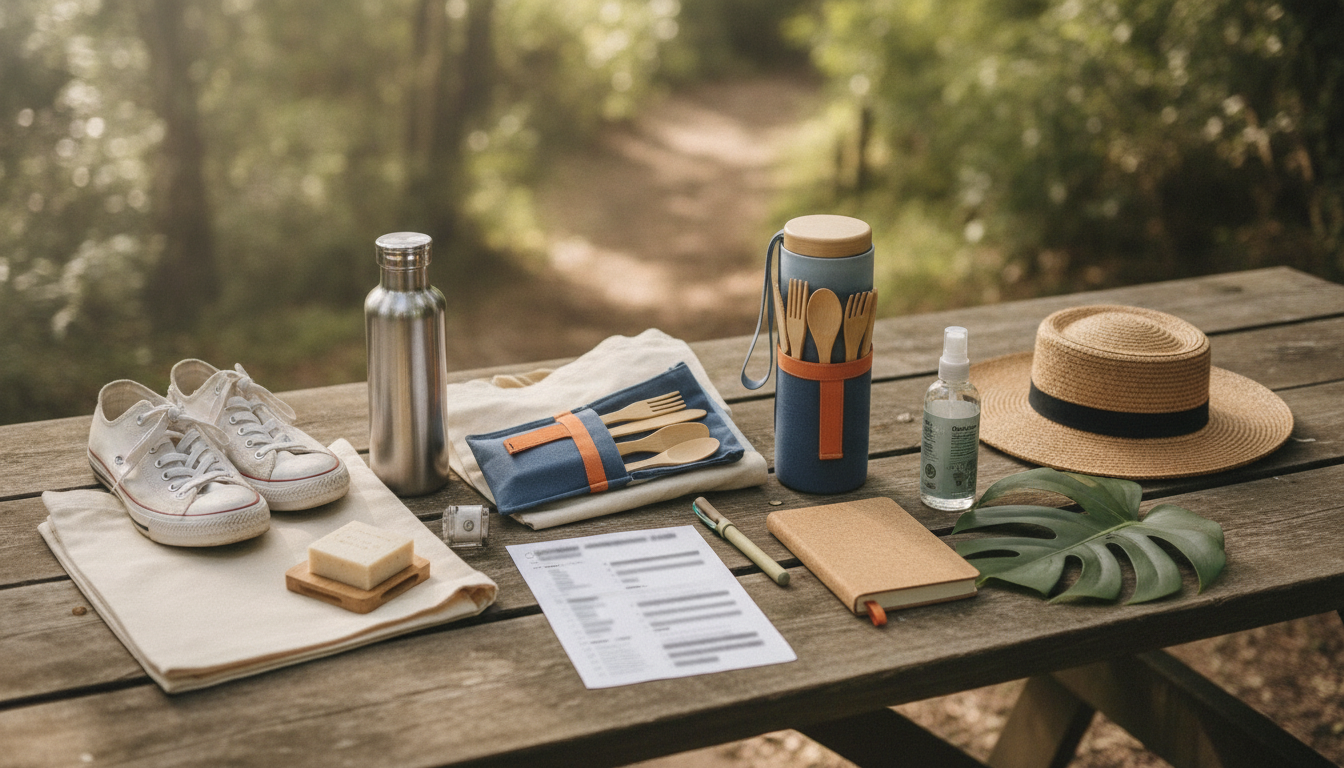
Eco-Friendly Traveler Checklist: A Zero-Waste Packing List and Practical Green Travel Guide
Sustainable travel starts with small, repeatable choices—especially the ones made before leaving home. A well-built eco-friendly traveler checklist reduces waste, avoids last-minute purchases, and makes it easier to pack lighter while still staying comfortable. Use the sections below as a step-by-step packing and planning guide for lower-impact trips, from toiletries and food containers to transit habits and lodging basics.
What changes when travel is eco-friendly
- Prioritize reusables over single-use items: bottles, utensils, bags, containers, and refillable toiletries.
- Pack multipurpose essentials: layering clothing, solid toiletries, and a universal adapter help cut down overall volume.
- Plan for local systems: water refill options, recycling rules, transit passes, and laundry access can vary widely by destination.
- Choose low-waste routines on the go: refill, repair, reuse, and refuse unnecessary packaging whenever it shows up.
These choices align with widely recommended waste-prevention basics like reducing and reusing first, then recycling when local systems support it (see U.S. EPA – Reduce, Reuse, Recycle).
Zero-waste packing list (core essentials)
- Reusable water bottle (ideally insulated) plus a backup collapsible bottle for day trips.
- Reusable coffee/tea cup or thermos for stations, airports, and cafés.
- Utensil kit: fork/spoon/chopsticks + metal or silicone straw if used regularly.
- Food container: one leak-resistant container for snacks, leftovers, or takeout.
- Cloth tote + compact produce bag for shopping and souvenirs.
- Reusable zip pouch or silicone bags for snacks, chargers, and small items.
- Handkerchief or small cloth: replaces tissues/napkins; doubles as a quick-clean cloth.
- Refillable travel-size bottles or solid bars to avoid minis and reduce liquid limits.
Quick swap guide: common travel items and lower-waste alternatives
| Common item | Lower-waste alternative | Why it helps |
|---|---|---|
| Plastic water bottles | Refillable bottle + refill map/app | Cuts single-use plastic and saves money |
| Hotel toiletry minis | Solid shampoo/soap or refillables | Reduces packaging and spills |
| Disposable cutlery | Reusable utensil kit | Avoids frequent single-use waste |
| Plastic shopping bags | Foldable tote + produce bag | Handles shopping without extra plastic |
| Single-use snack packaging | Container or silicone bag | Less trash; easier portioning |
For a repeatable, ready-to-use version you can keep on your phone, see the Eco-Friendly Traveler Checklist (digital download).
Sustainable toiletries and personal care
- Go solid or concentrated: shampoo/conditioner bars and concentrated refillables reduce packaging and help prevent leaks.
- Tooth care upgrades: a bamboo or replaceable-head toothbrush, toothpaste tablets (if preferred), and floss in a refillable dispenser when possible.
- Deodorant choices: paper or refillable packaging; pair with a small wipe cloth for quick freshening without disposable wipes.
- Sunscreen and coverage: follow local guidance on reef-safe practices and use clothing (hat, rash guard, long sleeves) to reduce product use when appropriate.
- Menstrual care: a cup or reusable pads (if comfortable) plus a small wet/dry bag for storage.
- Microfiber-shedding note: consider natural-fiber washcloths and skip unnecessary synthetic wipes.
When visiting nature-forward destinations, it also helps to follow established sustainable tourism guidance and local rules that protect ecosystems (see UNEP – Sustainable Tourism).
Clothing: pack light, wash easily, rewear confidently
- Build a capsule: choose a small color palette and pieces that mix-and-match across outfits.
- Choose durable and repairable: pack a tiny repair kit (needle, thread, safety pins) for popped seams and loose buttons.
- Use layers instead of bulk: one light mid-layer, one weather shell, and versatile base pieces cover more conditions than a single heavy item.
- Shoes: one walking pair plus one optional pair for specific needs (sandals or dress shoes).
- Laundry plan: detergent sheets or a small concentrated soap; pick lodging with laundry access when possible.
If you prefer a structured way to keep outfits, categories, and quantities under control, the Minimalist Travel Packing Planner makes it easier to stay consistent across different climates and trip lengths.
Food, drinks, and waste-free habits on the move
- Carry a “refill kit”: bottle, cup, utensils, and container—enough to avoid most disposables.
- Choose markets and simple meals: local groceries and straightforward street food can reduce packaging compared to heavily wrapped convenience snacks.
- Decline extras by default: napkins, cutlery, condiment packets, and bags add up quickly during transit days.
- Recycle carefully: compost/recycle only when systems are available and clearly labeled; when unsure, keep materials separate to avoid contamination.
- Pack travel-proof snacks: nuts, fruit, sandwiches, and homemade trail mix reduce impulse purchases in single-use packaging.
Transport and lodging choices that reduce impact
When flights are unavoidable, it can still help to understand emissions and compare options using established aviation resources (see IATA – Passenger CO2 resources).
A simple pre-trip checklist that prevents waste
Printable/digital checklist option for repeatable packing
If you want a simple, repeatable system, pair the Eco-Friendly Traveler Checklist (digital download) with the Minimalist Travel Packing Planner for both low-waste essentials and lightweight outfit planning.
FAQ
What is an eco-friendly traveler?
An eco-friendly traveler reduces environmental impact by packing reusables, minimizing waste, choosing mindful purchases, and behaving respectfully in natural and cultural sites. When possible, they also pick transport and lodging options that lower emissions and reduce disposable consumption.
What are the easiest zero-waste swaps to start with for travel?
Start with a reusable water bottle, a utensil kit, a foldable tote, one leak-resistant food container, solid or refillable toiletries, and a small cloth/handkerchief. Together, these swaps cover the most common single-use items encountered during transit, meals, and quick shopping stops.










Leave a comment