Cat Body Language: Read Tail, Ears, Eyes & Mood
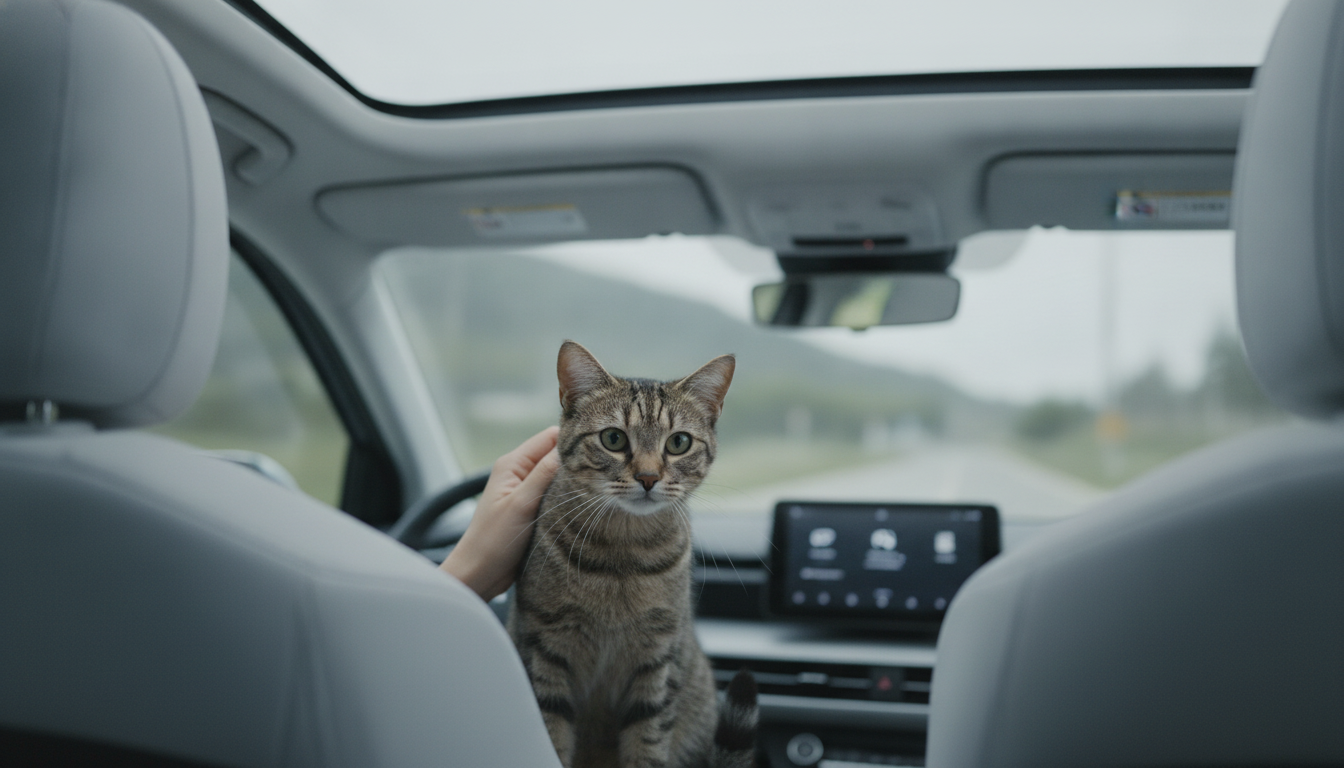
How to Read Cat Body Language and Emotions
Cats don’t “act random”—they communicate constantly through posture, tail position, ears, eyes, and even whiskers. Reading these signals together (instead of focusing on a single cue) helps you tell the difference between a relaxed cat, a playful hunter, and a cat who’s scared or overstimulated.
Answer
Start with the whole-body picture. A comfortable cat typically holds their body loosely, with a softly curved tail, neutral ears, and slow blinks. When your cat feels safe, they may loaf with paws tucked, stretch out on their side, or approach with a gentle tail-up greeting—often accompanied by soft head bumps or cheek rubs.
Stress and fear look different: the body tightens, the cat may crouch low, freeze, or try to hide. Ears often swivel sideways (“airplane ears”) or pin back, pupils can dilate, and the tail may tuck close to the body. A puffed tail, arched back, and sideways stance usually signal defensive fear—your cat is trying to look bigger to create distance.
Play and excitement can be mistaken for aggression. During play, you might see a wiggly butt, stalking, quick pounces, and a tail that swishes with bursts of energy. If the tail starts whipping hard, the skin ripples, or your cat suddenly turns to bite during petting, that’s often overstimulation—an “I’m done” message. Pause contact, give space, and offer a toy instead of hands.
Watch facial details too. Forward-facing whiskers and a focused stare can mean curiosity or hunting mode. Half-closed eyes and slow blinks usually indicate contentment, while a hard stare with tense body language can signal discomfort. If you want a deeper breakdown of tail, ears, eyes, posture, and common mixed signals, visit How to Read Cat Body Language and Emotions.
FAQ
Why does my cat swish their tail while I pet them?
Tail swishing during petting often signals rising irritation or overstimulation, especially if the swishes become fast and forceful. Pause petting and give your cat space; resume only if they re-engage calmly.









Leave a comment